Understanding the Impact of Material Selection on Compression Molding Outcomes
The Fundamentals of Compression Molding
Overview of the Compression Molding Process
Compression molding stands out as a versatile manufacturing process, widely used for producing complex shapes and components. The process begins with placing a pre-measured amount of material, typically in the form of granules or sheets, into a heated mold. After closing the mold under pressure, the heat activates the material, allowing it to flow and fill the mold cavity. Once the material cools, the mold opens, revealing the finished compression molded part. This method works effectively for various materials, including thermosets and elastomers, making it an essential technique in many industries.
Key Differences Between Compression Molding and Injection Molding
Understanding the differences between compression molding and injection molding is crucial for manufacturers. While both processes involve shaping materials using molds, the methods diverge in several key areas. Compression molding requires pre-heating the material before it enters the mold, whereas injection molding utilizes a heated barrel to melt the material and inject it directly into the mold under high pressure. This distinction leads to differences in cycle times, production rates, and the types of materials that can be used. Generally, compression molding proves more effective for thicker and larger parts, while injection molding excels in producing intricate designs with thinner walls.
Types of Compression Molding Processes
Compression molding encompasses several processes tailored to different applications. The two primary types include traditional compression molding and transfer molding. Traditional compression molding involves placing the material directly into the mold, while transfer molding first moves the material into a chamber before introducing it into the mold cavity. This differentiation allows for more complex shapes and reduces material waste. Additionally, insert molding integrates components like metal inserts into the molded part, enhancing its functionality and reliability. Each of these processes offers unique advantages, making them suitable for a wide range of applications.
Material Selection: A Critical Factor in Molding Outcomes
Impact of Material Properties on Compression Molding
The choice of material significantly influences the outcomes of the compression molding process. Different materials exhibit distinct properties, such as viscosity, elasticity, and thermal stability, all of which affect how they behave under heat and pressure. For instance, thermosetting plastics, once cured, cannot be re-melted, making them ideal for high-temperature applications. In contrast, thermoplastics can be reprocessed, offering flexibility in design and production. Manufacturers must understand these material properties to optimize the molding process, ensuring that the final products meet design specifications and perform reliably under various conditions.
Common Materials Used in Compression Molding
Compression molding utilizes an array of materials, each serving specific applications. Commonly used materials include thermosetting plastics like phenolic, epoxy, and polyurethane, known for their durability and resistance to heat. Elastomers, such as silicone and rubber, also play a crucial role in compression molding, providing flexibility and resilience in finished products. Additionally, composites reinforced with fibers enhance strength and stability. Understanding the characteristics of these materials helps manufacturers select the right option for their compression molding projects, ensuring optimal performance and longevity.
How Material Specifications Affect Design and Reliability
Material specifications directly impact both the design and reliability of compression molded parts. Manufacturers must consider factors such as tensile strength, elongation, and thermal resistance when selecting materials. These specifications dictate how a component will perform under stress and environmental conditions. For example, a high tensile strength material provides durability for heavy-duty applications, while a material with excellent thermal resistance ensures reliability in high-temperature environments. By aligning material specifications with design requirements, manufacturers can produce components that not only meet but exceed performance expectations.
Applications and Advantages of Compression Molding Services
Industries Leveraging Compression Molding Applications
Various industries benefit from compression molding applications due to its adaptability and efficiency. The automotive sector frequently relies on compression molded parts for components like dashboards, bumpers, and seals. In the aerospace industry, lightweight yet strong materials produced through compression molding enhance fuel efficiency and safety. Electronics manufacturers utilize this process for housings and insulators, while consumer goods companies produce durable and aesthetically pleasing products. This wide-ranging application underscores the value of compression molding services across multiple sectors, catering to diverse needs and specifications.
Benefits of Using Compression Molding Services
Employing compression molding services provides numerous advantages for manufacturers. This process allows for the efficient production of complex shapes, reducing material waste and enabling faster turnaround times. Compression molding also supports high-volume production, making it economically viable for large-scale projects. The ability to use various materials enhances design flexibility, while the process itself requires less energy compared to some alternatives, like plastic injection molding. These benefits make compression molding an attractive option for businesses seeking reliable and cost-effective manufacturing solutions.
Case Studies: Successful Compression Molding Production
Numerous case studies illustrate the successful application of compression molding in various industries. For instance, an automotive manufacturer leveraged compression molding to create lightweight yet strong panels that improved vehicle performance and reduced production costs. Another case involved a consumer electronics company that utilized compression molded rubber housings to enhance durability and water resistance in their devices. These examples emphasize how effective material selection and the compression molding process can yield high-quality, reliable products that meet industry challenges head-on.
Choosing the Right Compression Molding Company
Factors to Consider When Selecting a Compression Molding Supplier
Selecting the right compression molding company involves careful consideration of several factors. Look for suppliers with a strong track record in the industry, showcasing experience with the specific materials and processes required for your project. Evaluate their capabilities, including the types of compression molding machines they use, as this can significantly affect production efficiency and quality. Additionally, assess their commitment to quality assurance and customer service, ensuring they can provide support throughout the manufacturing process.
The Role of Compression Molding Machines in Production Efficiency
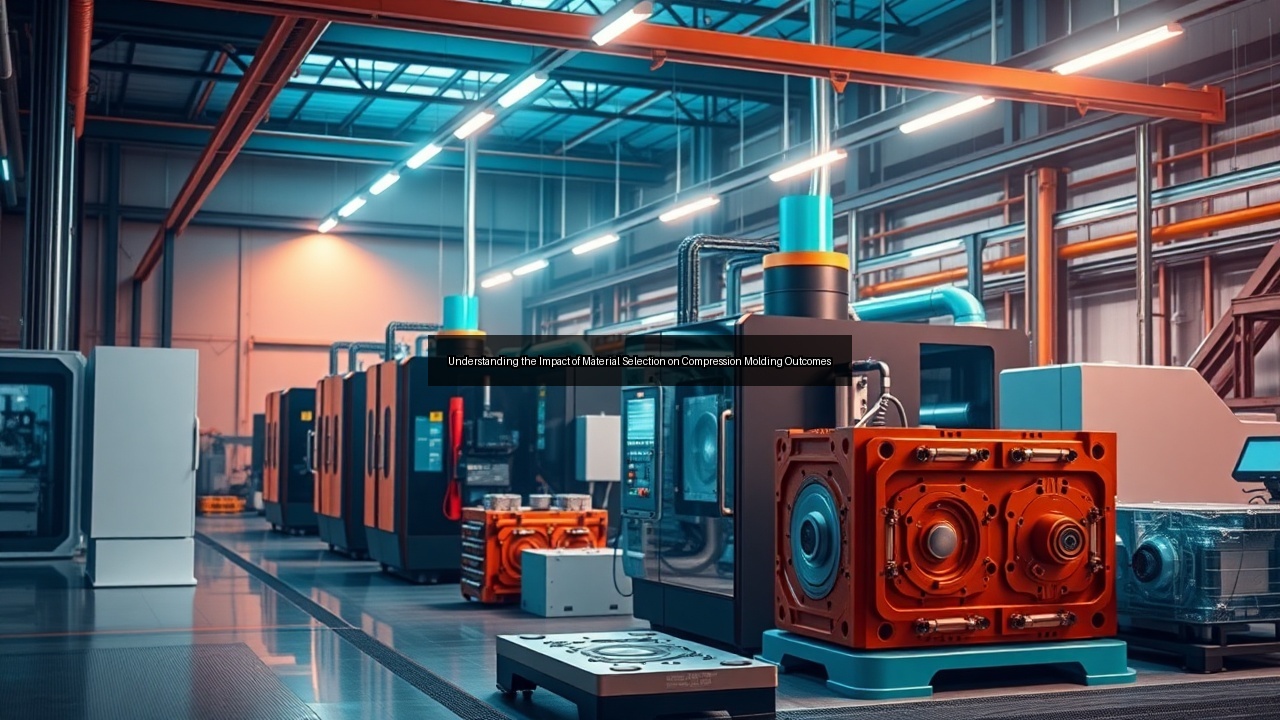
Compression molding machines play a vital role in determining production efficiency and the quality of molded parts. Advanced machines equipped with precise temperature and pressure controls ensure consistent results, minimizing defects and waste. Automation features, such as robotic arms for part removal, further enhance speed and accuracy. Investing in high-quality molding machines allows manufacturers to streamline operations, reduce cycle times, and improve overall productivity, making it essential to choose suppliers with state-of-the-art equipment.
Future Trends in Compression Molding Services
The future of compression molding services looks promising, with several trends shaping its evolution. Advancements in material science are leading to the development of new composites and thermoplastics, expanding the range of applications for compression molding. Additionally, growing demand for sustainable manufacturing practices encourages the use of eco-friendly materials, enhancing the appeal of compression molding. The integration of smart technology and automation within compression molding processes is also on the rise, improving efficiency and product quality. These trends indicate a bright future for compression molding services, positioning them as a key player in the manufacturing landscape.