Maximizing Performance with Properly Sized Anti Vibration Mounts
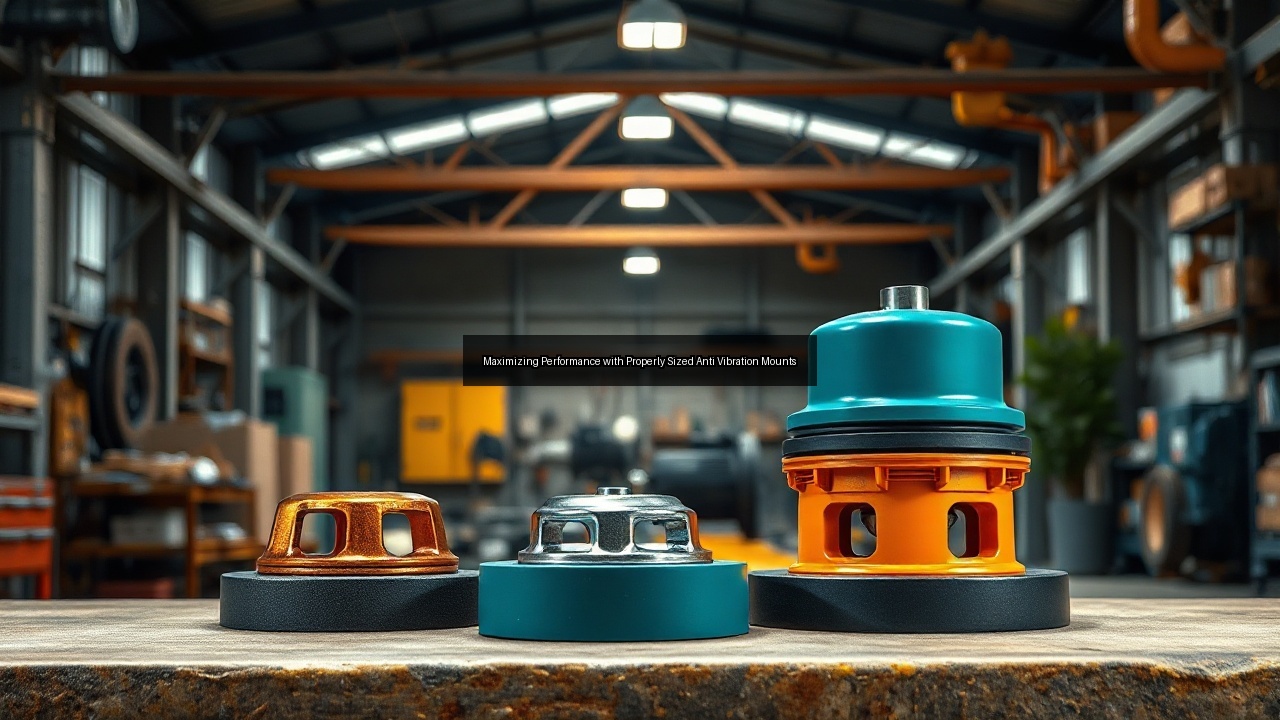
Understanding the Importance of Anti Vibration Rubber Mounts
The Role of Vibration Isolation in Machinery
Vibration isolation plays a crucial role in the efficiency and longevity of machinery. Machinery generates vibrations during operation, which can lead to wear and tear, increased noise levels, and even structural damage. Anti vibration rubber mounts serve as the first line of defense against these harmful vibrations. They absorb and dampen vibrations, preventing them from propagating through the structure or the environment. This isolation not only protects sensitive components but also enhances operational efficiency. By minimizing vibrations, these mounts improve the overall performance of machinery, reducing maintenance costs and extending the lifespan of equipment.
How Anti Vibration Rubber Mounts Work
Anti vibration rubber mounts function through a combination of elasticity and damping properties that rubber inherently possesses. When machinery operates, it generates vibrations that create oscillatory forces. These forces are transferred to the mounts, where the rubber material compresses and stretches, absorbing energy and converting it into heat. The effectiveness of these mounts largely hinges on their design and the materials used. Natural rubber, for instance, offers excellent vibration damping capabilities, while neoprene rubber provides additional resistance to oil and temperature variations. Understanding how these mounts function enables engineers to select the right type for specific applications, ensuring optimal vibration isolation and control.
Key Benefits of Using Rubber Vibration Mounts
Utilizing rubber vibration mounts brings numerous benefits to machinery and industrial applications. First, they significantly reduce noise levels, contributing to a quieter working environment, which is essential for compliance with workplace regulations and improving employee comfort. Second, these mounts enhance the durability of machinery by preventing excessive wear on components due to vibrations. This type of vibration control also leads to better operational efficiency, as machines can perform optimally without the disruptive effects of oscillations. Moreover, rubber mounts are versatile and can be used across various industries, including construction, marine, and manufacturing, making them an essential component in vibration management strategies.
Types of Anti Vibration Mounts and Their Applications
Natural Rubber vs. Neoprene: Which is Better?
The choice between natural rubber and neoprene for anti vibration mounts largely depends on the specific needs of an application. Natural rubber offers superior elasticity and excellent vibration damping capabilities, making it ideal for applications where flexibility and performance are paramount. It anti vibration pads excels in environments with moderate temperatures and no exposure to harsh chemicals. Neoprene, on the other hand, presents advantages in environments where oil, solvents, and extreme temperatures are present. Its resistance to wear and tear, combined with good vibration isolation properties, makes neoprene rubber a reliable choice for heavy-duty applications, such as those found in marine and construction sectors. Ultimately, selecting the right material requires a careful assessment of the operational environment and the specific vibration control needs.
Applications in Marine and Construction Industries
Anti vibration mounts find extensive application in marine and construction industries, where heavy machinery operates under challenging conditions. In the marine sector, these mounts are critical for stabilizing generators, engines, and other machinery on vessels. They help reduce noise and vibrations transmitted through the hull, improving comfort for passengers and crew. In construction, anti vibration rubber mounts support various equipment like compressors, concrete mixers, and cranes, ensuring that vibrations do not affect structural integrity or operational efficiency. Their adaptability to different machinery types and environments illustrates the versatility and necessity of vibration isolators in these industries.
Choosing the Right Mount for HVAC Systems
In HVAC systems, proper vibration control is essential for maintaining efficiency and comfort. Anti vibration rubber mounts play a vital role in isolating vibrations generated by compressors, fans, and other components. When selecting these mounts, consider factors like load capacity, frequency of operation, and environmental conditions. The right mount will minimize noise and vibration transmission, enhancing overall system performance. For instance, elastomeric mounts are commonly used in HVAC applications due to their durability and excellent vibration damping properties. Proper selection and installation of these mounts contribute to energy efficiency and longevity of HVAC systems.
Factors to Consider When Sizing Anti Vibration Mounts
Understanding Frequency and Stiffness
When sizing anti vibration rubber mounts, understanding frequency and stiffness is critical. The frequency of vibration generated by machinery directly impacts the efficiency of vibration isolation. If a mount’s natural frequency aligns with the machinery’s operational frequency, resonance occurs, leading to ineffective vibration control. Stiffness, measured in pounds per inch, indicates how much a mount can compress under load. Selecting a mount with the appropriate stiffness ensures it effectively absorbs vibrations without excessive movement. Engineers often utilize dynamic stiffness charts to match the mount's properties with the specific frequencies of the machinery, ensuring optimal performance in vibration isolation.
Diameter and Height: Finding the Perfect Fit
The diameter and height of anti vibration mounts significantly influence their performance. A mount that is too small may not adequately support the machinery, leading to failure in vibration control. Conversely, a mount that is too large may introduce unnecessary stiffness, reducing its effectiveness. The perfect fit balances the mount's dimensions with the machinery's weight and operational dynamics. Height considerations also play a vital role; taller mounts may provide more clearance and flexibility but could sacrifice stability. Carefully evaluating the machinery’s design and operational requirements aids in selecting the ideal dimensions for maximum vibration damping and control.
Impact of Load and Weight on Vibration Control
The load and weight of the machinery directly affect the selection and sizing of anti vibration mounts. Each mount has a specified load capacity, which must align with the machinery's weight to ensure effective vibration isolation. Overloading a mount can lead to premature failure, reduced performance, and increased noise. Conversely, undersizing mounts can result in inadequate vibration control. Understanding the static and dynamic loads generated during operation is vital for proper sizing. Engineers often calculate the total weight, including potential dynamic forces, to select mounts that will provide effective vibration damping and extend the life of machinery.
Installation and Maintenance for Optimal Performance
Proper Installation Techniques for Vibration Isolators
Correct installation techniques are essential for the effectiveness of anti vibration mounts. Aligning mounts properly and ensuring they are securely fastened to both the machinery and its foundation prevents misalignment, which can lead to ineffective vibration isolation. Additionally, ensuring that the mounts are installed at the correct angles and orientations is critical, as this affects their performance. Following manufacturer guidelines during installation helps maintain the integrity of the mounts and ensures optimal functioning. Utilizing proper tools and techniques during installation minimizes potential errors that could compromise vibration control.
Routine Maintenance Tips for Longevity
Routine maintenance of anti vibration rubber mounts enhances their performance and extends their lifespan. Inspecting mounts regularly for signs of wear, cracking, or degradation is essential. Any deterioration can compromise their effectiveness in vibration isolation. Cleaning mounts to remove dirt and debris also helps maintain their performance, as contaminants can affect their elasticity and damping properties. Ensuring that all fasteners remain tight and secure prevents unwanted movement and potential failure. Regular maintenance routines, including visual inspections and functional testing, contribute to the longevity and reliability of vibration isolators.
Troubleshooting Common Issues with Anti Vibration Mounts
Addressing common issues with anti vibration mounts promptly prevents further complications and ensures optimal performance. One frequent problem is excessive noise, which may indicate that the mounts have failed or are improperly sized. If vibrations persist despite using mounts, it may be necessary to reassess their suitability for the application. Checking for load capacity and alignment issues can often resolve these concerns. Additionally, monitoring the mounts for signs of wear or fatigue can help identify potential problems before they escalate. Troubleshooting these issues through systematic evaluation helps maintain efficient vibration control and prolongs the life of machinery.
See Also
- The Future of Vibration Isolation in Manufacturing Environments
- The Benefits of Stainless Steel and Rubber Combinations in Vibration Control Solutions
- The Evolution of Anti Vibration Mount Technologies Over the Years
- Transforming Your Construction Projects with Effective Vibration Isolation
- Why Every Construction Site Needs Quality Anti Vibration Rubber Mounts