How to Choose the Right Wisconsin Injection Molding Supplier for Your Needs
Understanding Plastic Injection Molding in Wisconsin
Overview of Plastic Injection Molding
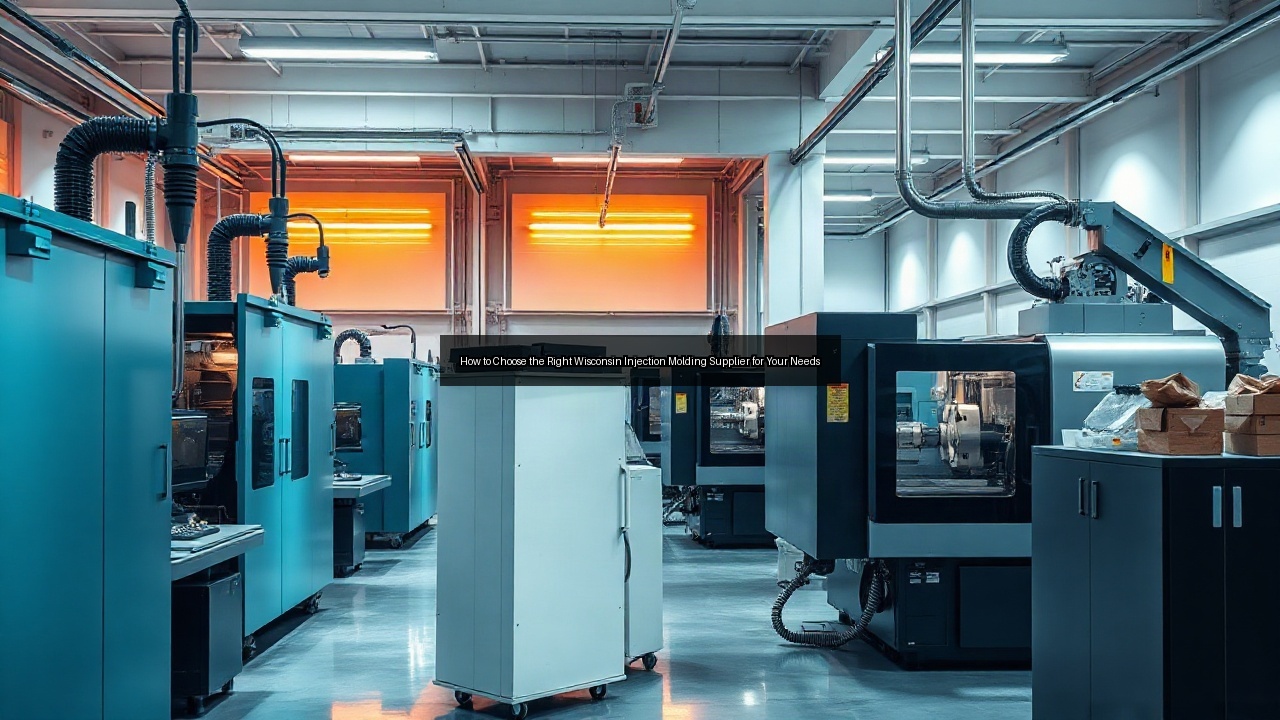
Plastic injection molding wisconsin stands out as a precise manufacturing process that melts plastic pellets and injects the molten material into custom injection molds under high pressure. Manufacturers in the state of wisconsin run this method daily to produce identical parts with tight tolerances. The cycle begins with mold clamping, followed by injection, cooling, and ejection. Local facilities maintain advanced machinery that handles both small prototypes and large production runs. Companies focused on plastic fabrication in wisconsin emphasize repeatability and minimal waste. Engineers select injection mold designs that match part geometry, gate locations, and cooling channels. This approach supports everything from medical devices to automotive components. Wisconsin injection molding suppliers integrate automation to reduce cycle times and improve consistency across thousands of cycles.
Key Applications of Injection Molding
Industries across wisconsin rely on injection molding for durable, cost-effective parts. Automotive suppliers create interior trim, brackets, and under-hood components using injection molded plastics. Medical device firms produce housings, connectors, and surgical tools that meet strict regulatory standards. Consumer goods manufacturers form everyday items such as tool handles and electronics enclosures. Wisconsin custom plastic injection molding operations also serve the packaging sector with caps, closures, and thin-wall containers. Agricultural equipment makers depend on rugged injection molds for tractor parts exposed to harsh environments. Electronics companies use precision molding for circuit board mounts and connectors. These applications demonstrate how injection molding services wisconsin deliver high-volume output without sacrificing quality.
Benefits of Using Injection Molding for Manufacturing
Plastic injection molding delivers lower per-part costs once molds are built, making it ideal for production volumes above a few thousand units. The process achieves excellent surface finishes and complex geometries that machining cannot match economically. Wisconsin injection molding manufacturers reduce material waste through efficient runner systems and regrind usage. Parts emerge with consistent dimensions, supporting tight assemblies in final products. Rapid cooling channels shorten cycle times and increase throughput. Injection molded components offer strength-to-weight advantages when engineers choose reinforced resins. Companies gain design flexibility because molds accommodate undercuts, threads, and living hinges in a single shot. Overall, the method accelerates time-to-market while maintaining reliability across batches.
Factors to Consider When Choosing a Wisconsin Injection Molding Supplier
Experience and Expertise in Plastic Fabrication
Selecting a supplier with deep experience in plastic fabrication ensures they understand material behavior, mold flow, and troubleshooting. Wisconsin injection molding manufacturers that have operated for decades bring proven processes for common defects such as sink marks or warpage. Ask about their history with specific industries and part complexities. Experienced teams optimize gate placement and venting to improve fill and reduce scrap. They also maintain updated equipment that handles engineering-grade plastics. Review their portfolio for similar projects in size, tolerance, and annual volume. Strong expertise translates into fewer design iterations and faster production ramps. Suppliers with in-house engineering support help refine part geometry before tooling begins, saving time and money on the final injection mold.
Types of Injection Molding Services Offered
Comprehensive Wisconsin injection molding suppliers provide more than standard single-shot molding. They offer insert molding, overmolding, and multi-cavity production. Some specialize in high-cavitation molds for small medical parts, while others focus on large structural components. Look for providers that handle both prototype and production tooling. Contract manufacturing options allow companies to outsource the entire process from material procurement to assembly and packaging. WI injection molded plastics facilities that maintain secondary operations like ultrasonic welding, pad printing, and heat staking deliver finished goods ready for distribution. Confirm the supplier can scale from low-volume runs to millions of parts without quality drops.
Material Options and Resins Used
Material selection directly affects part performance, cost, and manufacturability. Leading Wisconsin plastic injection molding services maintain inventories of commodity resins such as polypropylene and ABS alongside engineering materials like nylon, polycarbonate, and PEEK. They also process glass-filled compounds for added stiffness and heat resistance. Suppliers should guide customers on resin shrinkage, flow characteristics, and regulatory compliance. Some facilities run bio-based or recycled content resins to meet sustainability goals. Discuss color matching, UV stabilization, and flame retardancy requirements early. A capable supplier maintains relationships with multiple resin vendors to secure consistent supply and competitive pricing for ongoing production.
Quality Assurance and Certifications
Quality systems protect against defects that reach customers. Wisconsin injection molding manufacturers with ISO 9001 or IATF 16949 certification demonstrate disciplined process controls and documentation. Look for in-process monitoring, first-article inspections, and statistical process control. Some facilities hold additional certifications for medical or automotive work. Review their inspection equipment, including coordinate measuring machines and optical comparators. Ask how they handle non-conforming material and corrective actions. Strong quality assurance reduces returns and supports long-term partnerships. Suppliers that share real-time production data give customers visibility into yield and delivery performance.
Evaluating Wisconsin Injection Molding Manufacturers
Assessing Capabilities in Mold Making
In-house mold making accelerates lead times and improves communication between design and production teams. Wisconsin injection molding suppliers that build and maintain their own molds can quickly adjust for design changes or repair wear. Evaluate their CNC machining centers, EDM equipment, and polishing capabilities. Ask about mold materials, such as hardened steel for high-volume runs versus aluminum for prototypes. Suppliers skilled in mold making also optimize cooling lines and ejection systems to shorten cycles. Review their approach to mold maintenance schedules and spare parts inventory. Strong mold making expertise ensures the injection mold performs reliably over its intended lifespan.
Reviewing Case Studies and Client Testimonials
Case studies reveal how a Wisconsin injection molding manufacturer solved specific challenges. Look for examples that match your part complexity, material, and volume. Testimonials from long-term clients indicate reliability and responsive service. Contact references to discuss on-time delivery, quality consistency, and problem resolution. Pay attention to mentions of collaborative design support and cost-reduction initiatives. Positive feedback about communication and transparency signals a supplier that treats customers as partners. Thorough review of past projects reduces risk when awarding new work.
Understanding Production Capacity and Lead Times
Production capacity determines whether a supplier can meet your annual volumes and growth projections. Wisconsin plastic injection molding manufacturers publish press tonnage ranges and number of machines. Confirm they have available capacity or plans to expand. Discuss typical lead times for new tooling and first production shipments. Ask about expedited options and how they manage peak demand periods. Suppliers with multiple shifts and automated material handling maintain shorter lead times. Clear capacity planning prevents bottlenecks and supports reliable forecasting for your supply chain.
Exploring Specialized Injection Molding Techniques
Advantages of Two-Shot Injection Molding
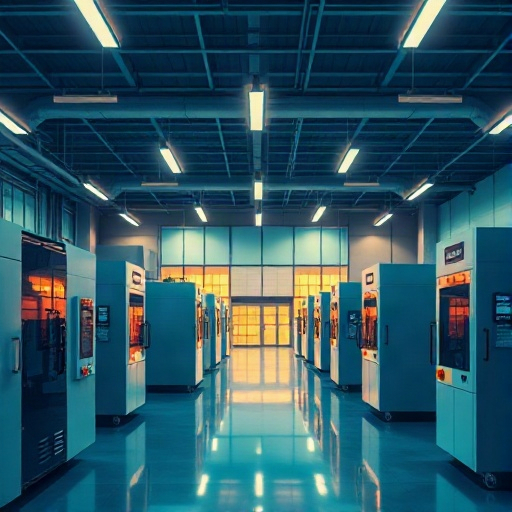
Two-shot injection molding combines two different materials or colors in a single cycle, eliminating secondary assembly steps. Wisconsin manufacturers use this technique to create soft-touch grips on rigid handles or multi-color logos without additional labor. The process bonds materials chemically or mechanically during molding, improving durability. It reduces inventory needs because one molded part replaces multiple components. Two-shot injection molding also enables complex seals and gaskets integrated directly into housings. Suppliers experienced with this method design molds with rotating platens or transfer systems. The result is higher efficiency and distinctive product features that stand out in competitive markets.
Thermoplastic Injection Molding Explained
Thermoplastic injection molding processes materials that soften when heated and solidify when cooled, allowing reprocessing of scrap. Wisconsin facilities run thermoplastics such as polyethylene, polystyrene, and acetal for a wide range of consumer and industrial products. The technique supports high production rates because parts eject quickly after cooling. Engineers select thermoplastic grades based on impact strength, chemical resistance, and operating temperature. Proper drying and temperature control prevent defects like splay or delamination. Thermoplastic injection molding remains the dominant method because of its versatility and recyclability compared with thermoset alternatives.
Innovative Applications: From Toothbrushes to Glass Resins
Everyday items like the toothbrush demonstrate how injection molding creates precise, multi-material products at scale. Wisconsin manufacturers mold toothbrush handles with rigid cores and soft elastomer grips using two-shot techniques. Glass-filled resins appear in demanding applications such as automotive gears and electrical connectors that require enhanced stiffness and dimensional stability. These materials withstand higher loads and temperatures than unfilled plastics. Innovative projects also include clear optical components and medical implants molded from high-performance resins. Suppliers that master both commodity and specialty materials help customers push product performance boundaries while controlling costs.